Self-Sealing Bags: From Everyday Essentials to Food Protection - A Historical Evolution
Self-Sealing Bags: From Everyday Essentials to Food Protection - A Historical Evolution
Self-sealing bags, these small items ubiquitous in our lives, hold a rich and fascinating history. Like a shallow pool reflecting a vast historical panorama, today, let's explore the origins, development, and importance of self-sealing bags in modern society with Maode Packaging.
The Origins of Self-Sealing Bags
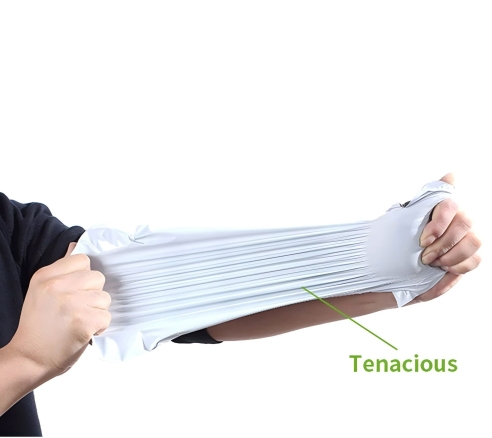
Early forms of self-sealing bags can be traced back to the 1950s. At that time, the invention and widespread use of plastic materials led to the emergence of various new packaging forms. Initially, scientists began experimenting with making polyethylene films for easier storage and transportation. This material was not only lightweight but also possessed excellent moisture-proof and stain-resistant properties. Subsequently, scientists cut it into strips and sealed one section using techniques such as heat sealing, creating the first self-sealing bags.
Development Process
In the 1960s, with the improvement of living standards, the market demand for food preservation and daily necessities storage increased. Against this backdrop, the design and manufacturing process of self-sealing bags continued to improve, gradually entering household life. Unlike traditional paper bags and glass containers, self-sealing bags quickly gained market share due to their lightweight, reusable, and transparent characteristics.
In the late 1970s, self-sealing bags began to be widely used in food packaging, especially for frozen foods and small-packaged snacks. During this period, manufacturers began to launch self-sealing bags with colors and patterns to further attract consumers. At the same time, with increasing environmental awareness, the materials used in the production of self-sealing bags gradually shifted towards recyclable materials.
Entering the 21st century, technological advancements have led to an increasing variety of self-sealing bags. In addition to classic plastic self-sealing bags, self-sealing bags with special properties such as anti-oxidation and UV resistance have emerged. These innovations not only meet the needs of the food and pharmaceutical industries but also promote the widespread application of self-sealing bags in industrial and electronic products fields.
Types of Self-Sealing Bags
Today, self-sealing bags come in a wide variety of types, with various specifications, shapes, and functions. Common types include:
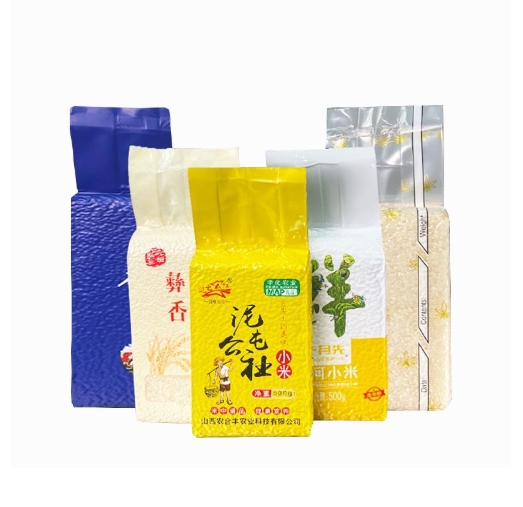
1. Standard Self-Sealing Bags: These are the ordinary self-sealing bags we use daily, suitable for storing most foods and organizing small items. 2. Vacuum self-sealing bags: Utilizing vacuum packaging technology, these effectively extend the shelf life of food, preventing oxidation and bacterial growth. They are commonly used for meat and fruit.
3. Anti-static self-sealing bags: Widely used for packaging electronic components, these effectively prevent damage from static electricity.
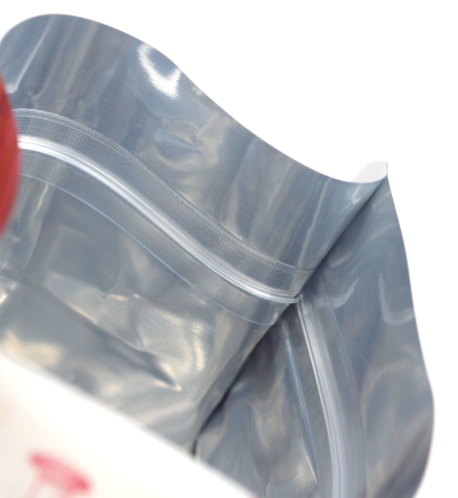
4. Aluminum foil self-sealing bags: Possessing excellent light and gas barrier properties, these are commonly used for packaging high-value goods such as pharmaceuticals and coffee.
Self-sealing bags are not only aesthetically pleasing but also emphasize practicality. Many self-sealing bags also include marking areas to facilitate consumer classification and recording of contents. This design evolution reflects technological development and directly addresses consumer needs.
Applications of Self-Sealing Bags
Self-sealing bags have a wide range of applications. Here are some key application scenarios:
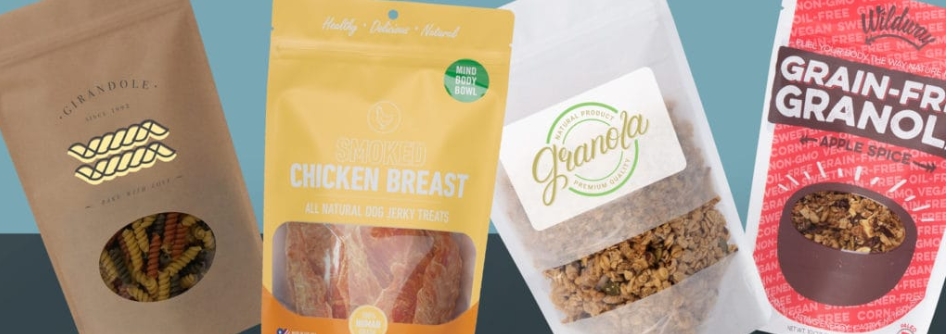
1. Food Industry: The most widespread application of self-sealing bags is in food packaging. From everyday snacks and dried fruits to meat and frozen vegetables, the advent of self-sealing bags makes food preservation possible. The sealing design prevents air intrusion, extending the shelf life of food.
2. Electronics Industry: In the storage and transportation of electronic components, anti-static self-sealing bags effectively protect sensitive equipment from electrostatic damage. Additionally, aluminum foil self-sealing bags are widely used in some high-value electronic products for moisture and oxidation prevention.
3. Home Storage: In daily household life, self-sealing bags can be used to organize small items such as cosmetics and stationery. Their transparent design allows family members to quickly access the items they need.
4. Medical Field: In the packaging of pharmaceuticals and medical devices, self-sealing bags are often used for moisture and contamination prevention, ensuring product quality and safety.
The development of self-sealing bags continues to focus on innovation and environmental protection. With continuous technological advancements, concepts such as smart self-sealing bags are gaining attention. By embedding sensors and smart tags, these bags can monitor the freshness of food and the storage environment in real time, providing more precise preservation protection.
Furthermore, with the rise of the green economy, the production of self-sealing bags will increasingly emphasize environmental protection and sustainability, from raw material selection to production processes. The development of new materials and the application of alternatives will gradually improve the environmental impact of plastic products, making green living a reality.
In conclusion, the history of self-sealing bags is a microcosm of the interaction between technology and social needs. Its evolution not only demonstrates human ingenuity but also reflects our reflection on the balance between convenience and the environment. In the future, finding a balance between convenience and environmental protection will be a major challenge for the development of self-sealing bags.